 clcgh.org Building The Capacity Of Christian Leaders, Equipping The Saints For The Work Of Ministry, Redirecting Straying Christians To The Sound Knowledge Of Christ
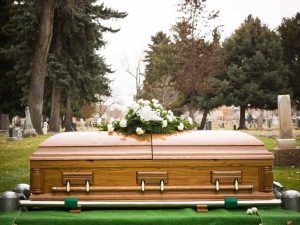
During evangelism at Mamponteng, capital of the Kwabre East Municipality of the Ashanti Region in Ghana, a few years ago, a man we approached to preach the gospel to made a comment that still echoes in my heart. He offered to listen to us, but before I could finish introducing myself, he interjected.
He said, “please, I am already a Christian. You know, I have been baptized, confirmed and I take communion. At my age, my only wish is that my priest will bury me when I die.” He was in his late 50 or 60s.
In a sermon shared on social media, Bishop James Saah, a respected minister of the gospel in the Action Chapel International, revealed how a church member, in a will, requested him to officiate her interment.
In fact, many people attend church meetings regularly, pay welfare dues, tithes and contribute to offerings for one main reason. That they will be recognized by their deeds and eventually have their pastors bury them when they breath their last. Just as people differ, believers’ expectations and motivations also differ.
However, the topic under discussion begs myriad questions: why do many Christians want pastors to bury them? Will a person be saved if a pastor buries him or her? Does a Christian receive proper burial if a pastor inters him or her? Why do pastors take great interest in burying the dead? Does God command His servants to perform this duty?
Now, Christians in every part of the world have unique cultures by which they live. Besides, the Bible serves as the reference for standard Christian life, practices and traditions. In the Bible, we learn about those who buried the people of faith who walked with God. What was the role of pastors in their burial?
The Burial of Abraham, Isaac and Jacob.
Abraham, the father of faith, walked with God. When he died, his children: Isaac and Ishmael buried him (Genesis 25: 8-18). Isaac, also walked with God in faith. At an old age, he died and he was buried by his sons (Genesis 35:29). Similarly, Jacob, Isaac’s son (Israel), walked with God just as his fathers did, and when he died, his sons led by Joseph buried him (Genesis 50:1-14).
The Burial of Moses, Aaron
Second, we look at Moses, the giver of the Law. When he died, Aaron, the priest did not bury him. God Himself buried His servant (Deuteronomy 34:5-7). Remember that in Leviticus 21, God had warned Aaron and his sons (priests) not to touch the dead. They had no instruction to bury the dead.
Moreover, Scripture is silent on the specific people who buried Aaron when he died (Deuteronomy 10:6). There is no doubt that ordinary men among the people of Israel buried him.
The Burial of John the Baptist, Jesus Christ
We also know that when John the Baptist died, no Jewish priest buried him. Scripture says his disciples interred him (Matthew 14:12). What about the interment of our Lord and Saviour Jesus Christ? In spite of His status, we read that His ordinary disciples not the apostles buried Him (Matthew 27:57-60).
The Burial of Ananias, Sapphira, Stephen
Finally, we focus on the burial of believers in Christ in the first century. Who buried those who died? Were they apostles or prophets? Scripture is silent on the burial James, but reveals that some young men buried Ananias and Sapphira when they died (Acts 5: 6,10). Again, when Stephen died, we know that devout (God-fearing) men buried him (Acts 8:2).
Pastors Have no Business Burying the Dead
You can clearly see that ministers of God have no instruction from the Lord to bury the dead. We have no business officiating burial services or any specified role to play in the burial of the dead. In fact, there is nothing like burial service for the dead in Scripture.
What many servants of God do today was probably created out of the doctrine of purgatory, a belief in Catholic theology in which a prayer of purification is offered for the dead to purge his or her soul before entering heaven. There is no such tradition in the New Testament Scriptures.
It is, therefore, worrying that many Church people today desire that their mortal remains be taken to the church for burial services to be organized for them and have bishops and apostles bury them when they die. Something like this was never practised in the earliest Church.
However, as Christians, we are implored to mourn with fellow believers who mourn (Romans 12:15). In other words, when a church member dies pastors may lead the congregation to commiserate with bereaved families.
And any qualified member can be asked to speak to encourage them and pray to comfort them during the burial and funeral ceremonies in accordance with their culture.
By James Quansah